




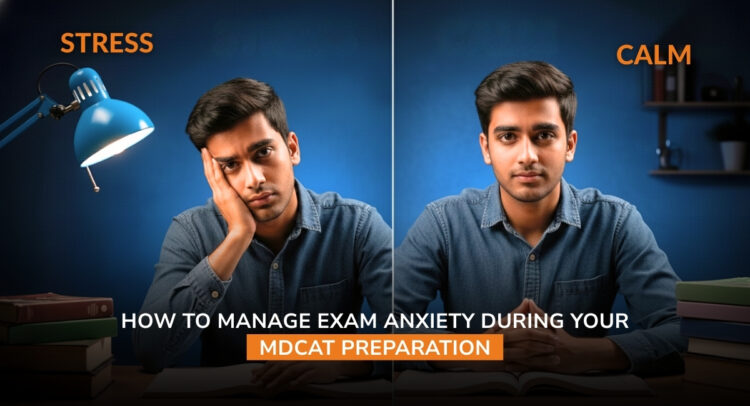
Are you feeling overwhelmed as you prepare for the MDCAT exam? You’re not alone. Exam anxiety is a common issue that affects many students preparing for critical exams like MDCAT. The pressure to perform well, combined with long hours of study, can often lead to stress and burnout. But the good news is that you can manage this anxiety effectively with the right strategies.
In this article, we’ll dive into the common causes of exam anxiety, specifically during MDCAT preparation, and explore practical ways to handle them. Whether you’re struggling to balance your FSc studies or find yourself doubting your capabilities, these tips will help you regain control of your preparation and boost your confidence.
Understanding the Causes of Exam Anxiety
The Pressure to Perform
For many students, MDCAT preparation is a high-stakes endeavor. The desire to secure admission in prestigious medical colleges and fulfill personal and family expectations can create immense pressure. This pressure often manifests as anxiety.
Fear of Failure
The fear of not achieving the desired score can paralyze your ability to focus. When you focus too much on the potential for failure, it often leads to negative thinking, which makes it harder to concentrate on the task at hand.
Overwhelming Study Schedule
MDCAT preparation requires intense study across multiple subjects, including Biology, Chemistry, Physics, and English. Managing a study schedule that accommodates all subjects, along with revision, mock tests, and extra-curricular activities, can be exhausting and stressful.
Comparison with Others
In competitive environments, it’s easy to compare yourself with peers. If you feel like others are doing better, it can increase your anxiety. This comparison game is not only counterproductive but can also erode your self-confidence.
Effective Strategies to Manage Exam Anxiety
1. Break Down the Study Material
One of the primary causes of exam anxiety is feeling overwhelmed by the sheer volume of material. Instead of focusing on the entire syllabus at once, break it down into manageable chunks.
How to do it:
- Prioritize topics based on importance and difficulty.
- Set daily or weekly goals for specific topics.
- Use the Pomodoro technique: study for 25 minutes, then take a 5-minute break. This helps you stay focused and reduces mental fatigue.
2. Create a Realistic Study Plan
Having a well-organized study plan can give you a sense of control. A realistic plan helps you focus on what’s important and avoid burnout.
How to do it:
- Use TopGrade’s adaptive learning tools to customize a study plan that aligns with your routine and progress.
- Include regular breaks in your plan to keep your mind fresh.
- Don’t forget to allocate time for relaxation and exercise.
3. Practice Stress-Relieving Techniques
Managing stress is a critical aspect of handling exam anxiety. Incorporating relaxation techniques into your daily routine can significantly reduce anxiety.
How to do it:
- Deep Breathing: Practice deep breathing exercises to calm your nervous system.
- Meditation: Spend a few minutes each day practicing mindfulness or meditation.
- Physical Activity: Regular exercise can boost your mood and improve concentration.
4. Maintain a Positive Mindset
Your mindset plays a significant role in how you approach the MDCAT. Negative thoughts and self-doubt only increase anxiety. By maintaining a positive outlook, you can approach your studies with more confidence.
How to do it:
- Remind yourself of your achievements, no matter how small they may seem.
- Use positive affirmations such as “I am capable,” “I am prepared,” and “I will succeed.”
- Keep a journal where you note your positive experiences and successes.
5. Take Mock Tests and Practice Papers
Regularly taking mock tests and solving past papers is one of the best ways to prepare for the MDCAT and reduce anxiety. Mock tests familiarize you with the format, improve your time management skills, and help you assess your progress.
How to do it:
- Use TopGrade’s extensive question bank to take practice tests under timed conditions.
- Analyze your results to identify weak areas and work on improving them.
- Practice solving questions quickly to build confidence.
6. Get Adequate Sleep and Nutrition
Lack of sleep and poor nutrition can exacerbate anxiety and make it harder to concentrate during study sessions. Ensure you’re getting sufficient rest and eating a balanced diet to keep your mind and body in top shape.
How to do it:
- Aim for 7-9 hours of sleep each night to rejuvenate your body and mind.
- Eat brain-boosting foods like nuts, berries, and leafy greens.
- Stay hydrated, as dehydration can affect your focus and energy levels.
7. Talk to Someone
If your anxiety feels overwhelming, don’t hesitate to talk to someone—a friend, family member, or counselor. Sometimes, simply expressing your feelings can help alleviate some of the stress.
How to do it:
- Discuss your concerns with a teacher or mentor who can provide guidance and reassurance.
- Join study groups with fellow MDCAT aspirants. Sharing experiences can make you feel less isolated.
8. Stay Consistent and Avoid Procrastination
Procrastination is one of the biggest hurdles to exam success. It can create unnecessary pressure as deadlines approach, making anxiety even worse.
How to do it:
- Follow your study plan and stick to the timetable.
- Focus on completing one task at a time rather than multitasking.
- Reward yourself after achieving study milestones to maintain motivation.
How TopGrade Can Help

TopGrade.pk, Pakistan’s leading online learning platform, is designed to help you manage your MDCAT preparation in an organized and efficient manner. With its structured learning tools, personalized study routines, and expert faculty, TopGrade ensures you can navigate the pressure of exam preparation without feeling overwhelmed.
Here’s how TopGrade’s resources can ease your exam anxiety:
- Adaptive Learning: Tailored study plans that adapt to your individual needs and routine.
- Expert Guidance: Access to top-tier faculty who understand the challenges of MDCAT preparation.
- Comprehensive Question Bank: Practice with real MDCAT questions to build confidence and improve performance.
- Flexible Study Tools: Study at your own pace, without the stress of rigid deadlines.
By using TopGrade’s platform, you can focus on what really matters—mastering your subjects and building confidence to face the exam with ease.
Conclusion
Exam anxiety is a common experience for many MDCAT aspirants, but it doesn’t have to hold you back. By breaking down your study material, creating a realistic plan, practicing stress-relieving techniques, and staying positive, you can effectively manage anxiety and perform at your best.
Remember, managing anxiety is about taking small, consistent steps toward reducing stress. With the right strategies and support, you can turn your MDCAT preparation into a confident and fulfilling experience.
FAQ
Q1: How can I stay motivated during my MDCAT preparation?
A1: Set small, achievable goals and celebrate each success to maintain motivation. Use positive affirmations and visualize your success.
Q2: How can I reduce test anxiety before the MDCAT exam?
A2: Practice relaxation techniques such as deep breathing and meditation, take mock tests, and maintain a positive mindset.
Q3: Will my FSc studies be affected by MDCAT preparation?
A3: TopGrade’s adaptive learning system ensures that you can balance both FSc and MDCAT preparation without stress.
Q4: How do I avoid procrastination during my study sessions?
A4: Follow a structured study plan, avoid distractions, and take regular breaks to keep yourself focused and energized.
Q5: How does TopGrade help me with my MDCAT preparation?
A5: TopGrade offers personalized study routines, expert guidance, and a dynamic question bank to ensure you’re fully prepared for the MDCAT.